As the year winds down and energy use spikes during the holidays, it’s the perfect time to give your solar system the attention it deserves. While high-quality solar installations are built to run with minimal upkeep, a quick annual review can help you protect your investment, maximize production, and catch small issues long before they become costly repairs.
Whether you purchased or leased your solar system, a year-end maintenance check ensures you’re entering the new year with reliable, efficient, and safe clean energy.
Why a Year-End Solar Check Matters
Your solar system works every day—rain, shine, or storm. Over time, dust, debris, shading changes, and electrical wear can affect production. Year-end maintenance helps you:
Protect your ROI by making sure your system is producing as expected
Extend equipment lifespan by preventing avoidable issues
Stay compliant with utility, warranty, and insurance requirements
Identify opportunities for upgrades like batteries or added panels
Get ahead of winter weather, which can reduce performance if the array isn’t optimized
A couple of hours of inspection can preserve decades of solar savings.
1. Review Your Energy Production for the Year
Take a look at your monitoring app (Enphase, SolarEdge, SunPower, Tesla, etc.) and compare your system’s performance to:
Previous years
Your original production estimate
Seasonal expectations
🔍 What to look for:
Noticeable dips in production
Inconsistent performance from one panel or string
Alerts or error messages
If numbers seem off, it may be time for a professional inspection.
2. Inspect Solar Panels for Debris, Dirt, or Damage
Visual panel inspections are simple but effective.
Check for:
Dirt buildup
Bird droppings
Leaves or branches
Cracks or hot spots
Hail or storm damage
Cleaning once or twice a year—especially after summer fire season or Santa Ana winds—can restore 5–20% of lost production. A simple rinse with the garden hose can do the trick most of the time. Just be sure to avoid using high pressure nozzles, brushes or tools that could scratch or crack the panels, and chemical cleaning agents.
3. Check Your Roof and Mounting Hardware
Your solar system is only as solid as the roof beneath it.
Visually inspect (or have a roofer check):
Flashings and seals around mounts
Signs of water intrusion
Loose hardware or exposed wiring
Roofing material wear
This is especially important for tile roofs (common in SoCal), as shifting tiles can expose mounts or cause future leaks.
4. Clear Any New Shading Sources
Trees grow. Neighboring homes remodel. Seasonal shading changes.
End of year is the ideal time to:
Trim tree branches
Remove debris that creates shadows
Evaluate new structures that may impact sun exposure
Even small shading interruptions on one panel can reduce output across an entire string.
5. Check Your Inverter or Battery System
Your inverter is the “engine” of your solar system.
Inspect for:
Error codes
Loud or unusual noises
Overheating
Connectivity issues to your monitoring app
For battery systems (Tesla, Enphase, LG Chem), also review:
Backup reserve settings
State of health
Firmware updates
Utility rate schedule syncing (important for TOU customers)
6. Review Utility Billing and NEM Statements
Year-end is when you see the real results of your solar investment.
Review:
Your utility’s annual true-up (pre-NEM 3.0)
Any unexpected charges
TOU rate plan options
Export credits under NEM 2.0 / 3.0
This is the easiest time to identify whether you’re overproducing, underproducing, or right on track.
7. Test Your Monitoring System
If your monitoring system goes offline, you lose valuable data—and might miss production issues.
Verify:
Your gateway or combiner is connected
Wi-Fi or ethernet signals are stable
Reporting is accurate and up to date
If you see gaps in data, reconnect the system or call for support.
8. Schedule a Professional Solar Health Check
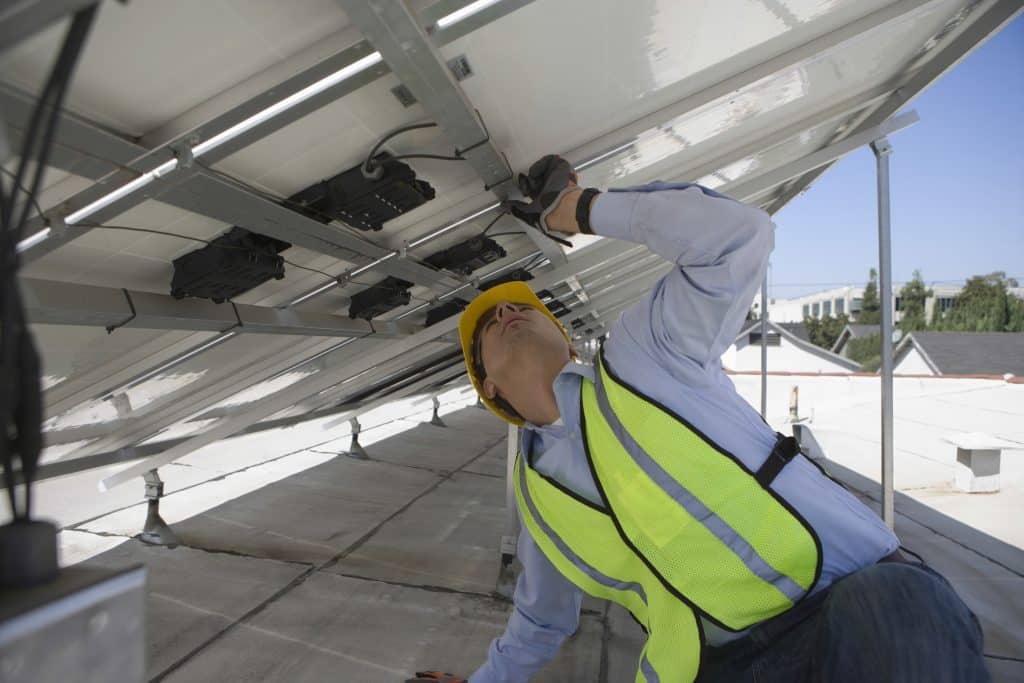
A certified technician can identify issues that homeowners can’t see, including:
Voltage drops
Loose electrical connections
Panel degradation patterns
Microinverter or optimizer failures
Hidden roof or conduit damage
Professional year-end inspections are inexpensive compared to system downtime or major repairs.
9. Plan for Upgrades or Expansion (Optional)
As your household changes—EVs, pools, ADUs—your energy demands may increase. End of year is the perfect time to assess:
Adding more panels
Adding a battery
Switching to a better TOU plan
Replacing an outdated inverter
Transitioning to non-export systems if required by utility
Many homeowners also explore tax incentives or financing programs before the calendar year closes.
A Little Maintenance Goes a Long Way
Solar systems are incredibly low-maintenance, but not zero-maintenance. A simple year-end routine ensures your system continues delivering clean, affordable energy for 25+ years.
Contact Sunlux today if you’re interested in adding solar to your home. Give us a call at 877-467-6712 or visit our website at www.sunlux.com